
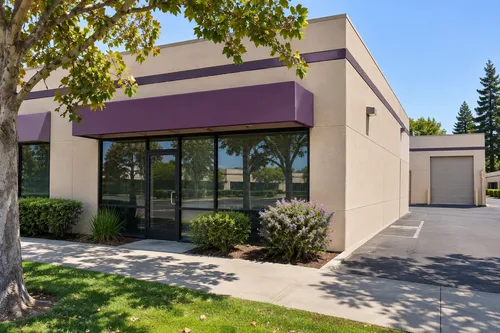
Get the door's job clear before you order hardware
A customer entrance needs to latch predictably after visitors leave. A receiving door may be used only when someone is there to accept a delivery, yet it still needs to close correctly when the last box goes through. An office suite can be next to a building door used by several tenants. Identify which one needs work and what an employee must be able to do with it at the end of the visit.
Describe where the door stops moving and what you feel when you use it. The key may turn easily, but the latch may fail to reach its strike, the plate on the frame that receives it. Or the handle might feel normal while the door itself drags on the threshold. Say whether the issue happens from one side, both sides, or only when you close the door. That can help narrow the problem and avoid ordering hardware before the fit has been checked.
Flag a damaged doorway or an opening that people rely on to leave the building. Tell the building manager if the work could interrupt an exit, shared access, or a security feature. Changes to exit hardware and managed building systems need coordination with the people responsible for them. Tell us when a lock is part of an integrated system so the correct scope can be discussed before anyone changes how the door works.
Arrange permission at the right level
Check who can authorize work on the exact opening. A tenant may be responsible for the lock to its suite while the landlord or manager controls a common corridor, external gate, or utility entrance. If there's any doubt, ask the property contact who should approve entry, changes to hardware, or a change to the existing keys. Put that person's name and callback number on the request if somebody else will meet the technician.
Agree on the limits of authorization even when everyone knows the address. An employee might be able to let a locksmith in and point to the problem without having authority to spend money or change access for another person. A property representative may be able to approve opening a vacant suite but need another owner to decide on hardware. You can avoid delays by making those roles clear at the start.
Plan around door use instead of an arbitrary time
Walk through a normal business day. Note when staff arrive, when a vendor usually needs access, and which doorway your customers see first. If a door must stay available, let the technician know when you ask about scheduling. If there's another authorized entrance, discuss how people would be directed to it during the work. Decide which employee will be close enough to check the door again once the repair or change is done.
On a property along Folsom Boulevard, the suite's postal address may point to the front while receiving takes place at the rear. Tell us which driveway leads to the door and who can open any gate. For a central Sacramento business, a loading entrance may be on a different street from the lobby. Include the suite number, floor, and arrangement for getting through a managed entrance. Our Locksmith Downtown Sacramento page covers similar arrival details in that part of the city.
Work out access when a tenant or staff group changes
List the doors each new user needs to operate. It could be just a suite entrance or could include interior storage and a separately managed back door. Then list the people or roles who need that access and how they should receive their keys. Keep personal names and key records out of loose paperwork that can be seen by other visitors or staff. A count by door and by role usually provides enough information to begin the planning conversation.
If the lock hardware is working and compatible, lock rekeying may change which key operates the cylinder without replacing the rest of the assembly. If a door won't close properly or the cylinder is loose, have the condition assessed before treating the handoff as a straightforward key change. Discuss shared doors separately, especially when other tenants or a property manager need to retain their existing access.
If a business plans to stay open through a handoff, decide when new access takes effect. Coordinate who will be present to test the first entrance, where remaining working keys will be handed over, and how staff already inside will leave through the correct door. Record what changed and what was intentionally left outside the scope, so you can answer the next shift's questions without asking them to try several keys.
A useful handoff also accounts for a door that works mechanically but stays unlocked during business hours. If someone props it open or it is used by deliveries, that routine can hide whether the latch closes normally. Have a person familiar with the door explain how the last employee secures it before leaving. When you arrange a visit for a lock that fails only at closing time, mention whether someone will be available to show the symptom and check the door from the correct side afterward.
Ask for a quote you can approve with confidence
State the number of doors, what you want done, and any constraints around access or business operations. Ask which charges are included and whether the estimate assumes the hardware can be retained. If the issue turns out to involve the strike or a previously damaged door, ask what that changes before authorizing more work. Our locksmith quote guide separates the visit, labor, parts, and approval decisions.
At the end of the job, test each serviced door with the person who uses it most. Have them close it normally, check that it latches, and try the keys or operating hardware from the expected side. If you asked for different access at two doors, test both so nobody inherits an unplanned arrangement. Make sure people are briefed on any door that still needs coordination with the property manager or another trade.
Common questions
Can you help with a shop door if the key works but the latch doesn't?
Describe what the door does while it closes and whether you see damage around the latch, frame, or strike. The working key is one useful observation, and the latch and alignment still need to be considered.
Who needs to be there for a tenant turnover?
Someone authorized to approve the change should be reachable, and someone needs to be able to identify the correct entrances and admit the technician. Agree in advance who will test and receive the keys.
Can existing locks stay in place when a tenant changes?
They may be able to stay when the cylinders are compatible and serviceable. Ask to assess each lock before deciding whether it can be rekeyed or needs another kind of work.
Have the door, the approval contact, and the operating schedule together before calling 916-233-0888. LockReach can use those details to discuss an order of work that accounts for when staff, deliveries, and customers need the entrance.