
Start with what the door does
Think back to the last time the door worked as expected. Did it rise normally and refuse to come back down, or did it stop before there was enough space to use the garage? Was the failure immediate, or had the door grown steadily louder over several uses? Those details give more direction than the word stuck. If the door looks damaged or sits crooked, leave it where it is. There is no need to operate it again for a better description.
The same sound can be misleading when you cannot see where it began. A brief click may come from the opener. A scrape can be associated with a roller, track, or section rubbing as the door travels. A sudden sharp sound followed by loss of lift is another kind of change. Ask how the observation fits what is visible, rather than assuming that a certain noise always means the same part needs to be replaced.
The door and the opener work together
The sections form the moving door. Rollers guide their movement in the tracks. Springs help balance its weight, and cables are part of the lifting system on many doors. The opener supplies powered motion, but it depends on the door moving as designed. If it lights up or hums while nothing moves, there may be an issue with the door, the opener, or both. Describing each response separately helps a technician decide where to begin.
A reversal while closing calls for a different description. Mention if you last saw a light flash, a change in the floor clearance, or an object in the opening before the door backed away. The safety sensors and the door's travel both matter. A remote that no longer works when the wall control still works points to another part of the problem. Our garage door or opener guide explains how to separate those observations.
If a loud bang was followed by a door that wouldn't rise, garage door spring repair explains why the weight of the door matters. If the door last moved normally but now receives a command from only one control, garage door opener repair explains what to report about the control and the equipment. Treat a visibly unsafe door the same way in either case. Limit access and leave it alone.
Report impact, recurring trouble, or gradual wear
If the door was struck by a car or anything else, explain where the contact occurred and what changed afterward. A dent is one visible clue, but lifting parts, hardware, and alignment can be affected elsewhere. If the lower section touches the floor differently than it did before, include that too. Do not try to press a damaged panel back into shape or lift it over an obstruction.
Older doors may have been repaired more than once. Mention earlier work, especially if the same symptom came back shortly afterward. This is useful even if you only remember the approximate date or whether the work involved a control, a spring, or a noisy roller. If you have a prior written description, keep it handy. It can help explain what was addressed and what was outside the scope.
A door that still moves can have a problem worth assessing before it becomes unusable. If the change is a new rattle, shaking on closing, or occasional failure to respond, describe which part of the trip is affected. Keep notes about observations you already made rather than putting the door through repeated cycles to gather more evidence. If there are two doors, say which one is affected from the viewpoint of someone standing outside.
Plan a Rosemont visit around the opening
In Rosemont, Folsom Boulevard and Kiefer Boulevard can help orient someone to the area, but the full address and the approach to your garage matter more. State which driveway reaches the opening. If the garage is behind the house or on a side lane, give the side from which it can be approached. When an address uses Sacramento for mail, mention Rosemont and the closest useful cross street.
Tell LockReach if the opening is the only normal route into the garage or if a car is blocked in it. Say whether there is a different entrance to the property and where you can meet. Do not plan to pass underneath an open or uneven door to provide access. For a rented or shared building, agree on who may authorize work and how the person visiting can reach the affected opening.
Think about what needs to stay clear while the door is assessed. A shared driveway, pedestrian entrance, or narrow apron can make parking at the opening impractical. Describe those limits beforehand and give a reliable callback. This is especially useful if you are calling from work, or a property manager and tenant will split access duties. See garage door repair Sacramento for considerations at Sacramento city addresses.
Ask for repair details you can compare
Useful estimates state the symptom being addressed and the work proposed. Ask which components need attention, whether parts and labor are included, and what confirms that the repair worked. Clarify whether there is a separate visit charge. If there is visible damage and a separate control problem, ask whether both were assessed. A total without a scope does not tell you which part of the existing system will operate differently afterward.
If another damaged part comes to light, ask what changed in the assessment before approving extra work. Learn how the proposal addresses the door's motion, its stopping points, and the control problem you reported. When a part depends on equipment compatibility or is unavailable, ask what is known now and what still needs confirmation. A good decision is based on what the existing system needs, with remaining uncertainties stated plainly.
Common questions
Should I use a door that stops once in a while?
Report the intermittent problem. Leave it out of use if there is a visible tilt, damage, a loose cable, or abnormal movement. Do not cycle an unsafe door to show someone what it does.
Which details do I need for a garage door repair request?
Share the address, the affected opening, the current door position, and what happened on its last normal trip. Mention a blocked vehicle and any limits on access.
Does an opener sound identify the broken part?
No. Tell us when the sound occurred and whether the door moved. Hardware problems and opener faults can produce similar outward symptoms.
What can I photograph?
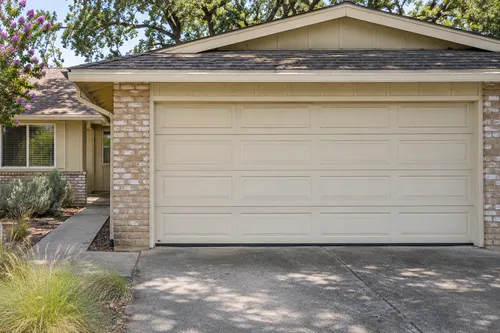
A view from a safe spot outside can show the door position or the opening at the property. Skip the photo if it would require reaching the hardware or passing underneath the door.
Tell LockReach what you saw on the last use and how to reach the garage from a safe entrance. You can begin a Rosemont repair conversation with a useful description even when you do not know which part failed.